Latest update · 2026-10-25
Torch Link 2026: Official Onion Link, Mirrors And Search Guide
The Torch link is the .onion address of the Torch onion search engine. Use the official address, verify it against an independent source, and bookmark it. This guide covers the Torch link, Torch mirrors, Torch onion search, and how Torch compares with other onion search engines.
Torch can be accessed from the official onion http://torchdbn4aq2wynsdpyfewfqdurlmbzvybjmgiozgnd4e4w7b7thdyqd.onion .
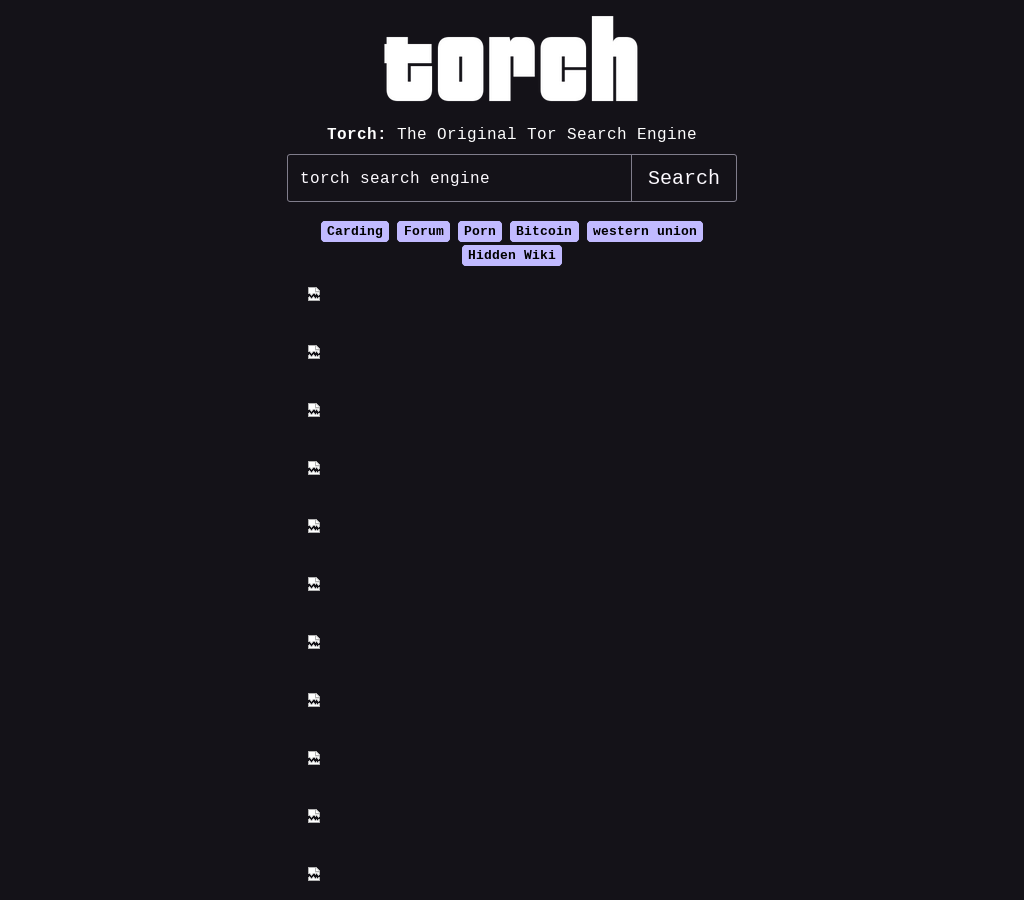
Torch is one of the better-known onion service search engines: a keyword search tool for pages published on the Tor network. It belongs to the same broad category as Ahmia and other .onion search engines. Instead of working through a hand-written address list, users query an index that a crawler has built over time.
This site is an independent guide to Torch, the Torch link, and onion search. It is written for researchers, journalists, students, and analysts who need to find the Torch link, understand how onion search works, and use the results in a structured way. It is not affiliated with Torch and does not endorse it or any service it lists.
Torch link
The most common question about Torch is simply where to find the Torch link. Start with the Torch link guide, which explains the difference between the canonical onion address, mirrors, and bookmark links. The Torch onion link page covers the address format, and how to find the Torch link explains how to check a link before you use it.
Explore the guide
- Torch search engine overview — what it is and what it is not.
- How the Torch search engine works — crawling, indexing, ranking, and freshness.
- Torch features and indexing — what to expect from results.
- Using Torch for research and OSINT — a practical workflow.
- Torch alternatives — Ahmia and other approaches.
- Torch search query techniques — building a repeatable query set.
Popular Torch and darknet search terms
Readers arrive here looking for a Torch onion link, a Torch mirror, a Torch dark web address, or a darknet search engine that indexes .onion pages. Others look for the best darknet search engine, or want to know how to search onion sites. The guides below cover those questions directly.
- Best darknet search engines compared — criteria, options, and a comparison method.
- Searching .onion sites with Torch — queries, verification, and record keeping.
- Torch darknet search engine guide — where Torch fits in darknet search.
Onion search for research
Tor onion services are websites reached through the Tor network and addressed by .onion names rather than by public DNS. Search engines such as Torch reduce the discovery problem by maintaining an index of pages their crawlers have found. For a research database, that index can be a source of leads that would otherwise be missed.
Coverage and freshness
No onion search engine sees the whole network. Crawlers miss unlinked services, offline services, and services that block automated access. Older indexes such as Torch can be valuable for finding services that newer crawlers no longer reach, but they can also contain more stale results. Treat a search result as a lead, record the query and date, and verify a service independently before adding it to a database.
Start here
Read the Torch overview, the technical explainer, or the frequently asked questions. New readers may prefer the primer on Tor and onion services.
Last updated: October 2026. Site map.
Torch FAQ
What is the Torch link?
The Torch link is the .onion address of the Torch search engine. Verify it against an independent source before you bookmark it.
Is Torch a darknet search engine?
Torch is an onion search engine. Onion services are often described as part of the darknet, but Torch does not index the whole darknet.
How does Torch compare with other onion search engines?
Use more than one index. Ahmia and curated directories can add coverage; compare the same query set across engines.
How do I verify a Torch link?
Confirm the full address in two independent places, check the date of the source, and bookmark the verified link.
Does Torch index every onion site?
No. Unlinked, offline, private, and crawler-hostile services are likely to be missing.